Why Cacti Make Perfect Houseplants
Indoor cacti have surged in popularity among plant enthusiasts, and for good reason. These resilient desert dwellers bring sculptural beauty to any space while demanding minimal maintenance compared to their tropical counterparts. Whether you’re a busy professional, frequent traveler, or simply new to plant parenthood, cacti offer an accessible entry point into the world of indoor gardening. Their unique shapes, occasional stunning blooms, and remarkable adaptability make them both decorative and forgiving.
Choosing the Right Cactus for Your Space
Not all cacti are created equal when it comes to indoor living. Some varieties thrive in home environments better than others:
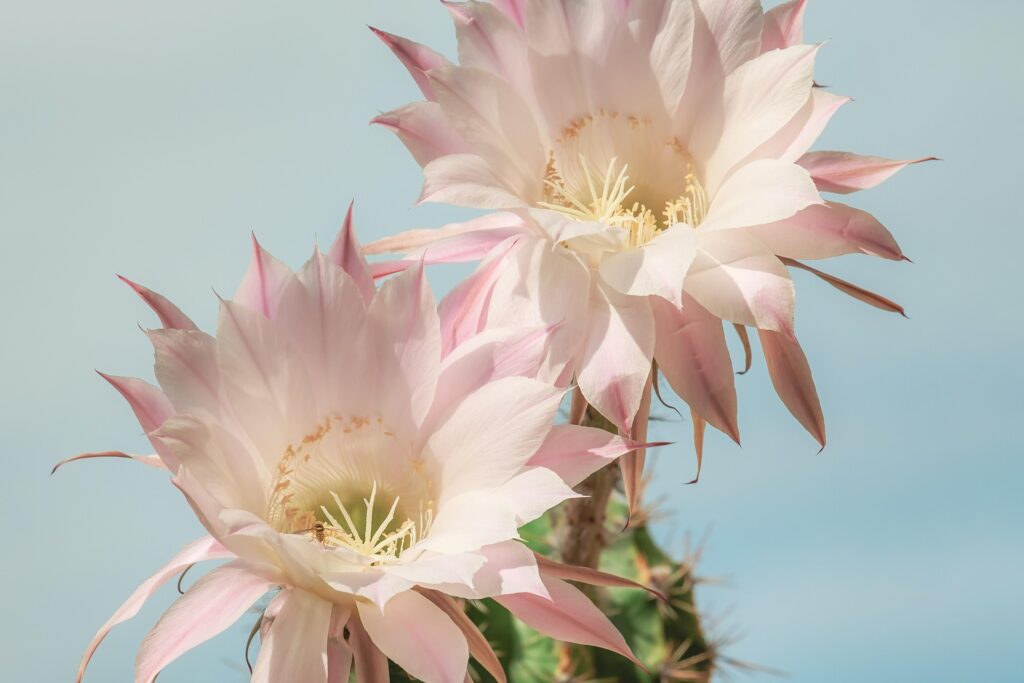
- Christmas Cactus (Schlumbergera): Perfect for beginners, produces vibrant blooms during winter months
- Bunny Ears Cactus (Opuntia microdasys): Charming paddle-shaped segments covered in fuzzy dots
- Old Lady Cactus (Mammillaria hahniana): Compact size with white hair-like spines and pink flowers
- Barrel Cactus (Ferocactus): Classic rounded shape, slow-growing and low-maintenance
- Star Cactus (Astrophytum asteria): Unique geometric appearance without sharp spines
Consider your available light, space constraints, and aesthetic preferences when selecting your cactus companion.
Mastering the Light Requirements
Understanding Cactus Lighting Needs
Cacti are sun-worshippers by nature, but indoor conditions require some adjustment. Most cacti need 4-6 hours of bright, indirect light daily to maintain their health and encourage blooming. South-facing or west-facing windows typically provide ideal conditions. If your cactus starts stretching toward the light source (a condition called etiolation), it’s signaling that it needs more brightness. Conversely, if you notice browning or bleaching on the surface, your plant may be receiving too much direct, intense sunlight through the window glass.
Supplementing with Grow Lights
During winter months or in darker homes, full-spectrum LED grow lights can supplement natural sunlight. Position lights 6-12 inches above your cacti and maintain a 12-14 hour daily cycle to mimic natural conditions.
The Golden Rule: Watering Wisely
Overwatering kills more cacti than any other issue. These desert plants have evolved to survive extended drought periods, storing water in their thick flesh. During the growing season (spring and summer), water thoroughly only when the soil has completely dried out, typically every 2-3 weeks. In fall and winter, reduce watering to once monthly or less, as cacti enter dormancy. Always check soil moisture by inserting your finger two inches deep before watering. When you do water, drench the soil thoroughly until water runs from the drainage holes, then allow excess to drain completely.
Soil and Potting Essentials
Creating the Perfect Cactus Mix
Standard potting soil retains too much moisture for cacti, leading to root rot. Your cactus needs a well-draining mixture that prevents water from pooling around roots:
- Combine two parts regular potting soil with one part coarse sand or perlite
- Add one part pumice or small gravel for extra drainage
- Mix thoroughly to ensure even distribution
- Alternatively, purchase pre-made cactus or succulent soil mix
Choosing the Right Container
Select pots with drainage holes—this is non-negotiable. Terra cotta pots are particularly excellent for cacti because they’re porous and allow excess moisture to evaporate through the walls. Size matters too: choose containers just slightly larger than your cactus’s root ball, as oversized pots retain excessive moisture.
Temperature and Humidity Considerations
Cacti prefer conditions that mirror their native habitats: warm days and cooler nights. Ideal daytime temperatures range from 70-80°F, with nighttime drops to 50-55°F encouraging healthy growth and blooming. Most cacti tolerate normal household humidity levels (30-50%) without issue, making them perfect for dry indoor environments where tropical plants might struggle. Avoid placing cacti near heating vents, air conditioners, or drafty windows where temperature fluctuations can stress your plant.
Feeding Your Cactus
While cacti aren’t heavy feeders, they do benefit from occasional fertilization during their active growing season. Use a diluted liquid fertilizer specifically formulated for cacti and succulents, applying at quarter to half strength monthly from spring through late summer. Skip fertilizing entirely during fall and winter dormancy. Over-fertilization can cause weak, elongated growth and prevent flowering, so less is definitely more when feeding these desert dwellers.
Common Problems and Solutions
Even low-maintenance cacti encounter occasional issues. Soft, mushy stems indicate overwatering and possible root rot—reduce watering immediately and consider repotting in fresh, dry soil. White, cottony spots signal mealybugs, which you can remove with rubbing alcohol on a cotton swab. Brown, corky patches typically result from physical damage or sunburn and won’t spread if conditions improve. If your cactus refuses to bloom, it likely needs more light, a winter rest period with reduced watering, or slight temperature drops at night to trigger flowering.
Repotting and Propagation
Cacti are slow growers and typically need repotting only every 2-3 years. Spring marks the ideal time for this task. Use thick leather gloves or wrap your cactus in several layers of newspaper to protect yourself from spines. Gently remove the plant from its current pot, brush away old soil, inspect roots for damage, and replant in fresh cactus mix. For propagation, many cacti produce offsets (pups) that can be carefully separated and planted independently. Some varieties can also be propagated from cuttings—simply allow the cut end to callous over for several days before planting in dry soil.
Creating a Thriving Cactus Collection
Once you’ve mastered basic cactus care, expanding your collection becomes irresistible. Group cacti with similar care requirements together for easier maintenance and dramatic visual impact. Mix varieties of different heights, textures, and colors to create dynamic displays on sunny windowsills or dedicated plant shelves. Remember that patience is key—cacti grow slowly, but their longevity means you’re cultivating companions that can last for decades with proper care. Embrace their minimal needs as a feature rather than settle for them as a compromise, and you’ll discover why these prickly plants have captivated indoor gardeners for generations.